

Thursday, December 21, 2023


Thursday, June 8, 2023
नई शिक्षा नीति 2020

नई शिक्षा नीति 2020
परिचय
भारत में नई शिक्षा नीति एक विस्तृत और व्यापक नीति है जिसका उद्देश्य देश की शिक्षा प्रणाली में सुधार और आधुनिकीकरण करना है। नीति, जिसे हाल ही में भारत सरकार द्वारा अपनाया गया था, शिक्षा के क्षेत्र में कई दीर्घकालिक चुनौतियों और मुद्दों को संबोधित करने का प्रयास करती है, जैसे कम सीखने के परिणाम, गुणवत्तापूर्ण शिक्षा तक पहुंच की कमी, और अधिक नवाचार और प्रतिस्पर्धात्मकता की आवश्यकता।
नई शिक्षा नीति पर एक नजर
भारत में नई शिक्षा नीति, जिसे आधिकारिक तौर पर राष्ट्रीय शिक्षा नीति (NEP) 2020 के रूप में जाना जाता है, भारत सरकार द्वारा जुलाई 2020 में जारी की गई थी। यह नीति 1986 की पिछली राष्ट्रीय शिक्षा नीति (NEP) की जगह लेती है और पहली व्यापक समीक्षा को चिह्नित करती है। इस नीति में शिक्षा का पाठ्यक्रम 5+3+3+4 के मॉडल पर तैयार किया गया है, जो पहले 10+2 के हिसाब से था।
NEP 2020 भारत में शिक्षा के भविष्य के लिए एक दृष्टिकोण की रूपरेखा तैयार करता है, जिसका लक्ष्य 2030 तक देश को “वैश्विक ज्ञान महाशक्ति” में बदलना है। इस लक्ष्य को प्राप्त करने के लिए, नीति में कई महत्वपूर्ण सुधारों और परिवर्तनों की रूपरेखा तैयार की गई है। शिक्षा क्षेत्र में लागू किया गया, जिसमें शामिल हैं:-
पाठ्यचर्या में सुधार:- NEP 2020 अंतःविषय और अनुभवात्मक शिक्षा के साथ-साथ भारतीय भाषाओं और सांस्कृतिक मूल्यों को शामिल करने पर ध्यान देने के साथ भारत में शिक्षा पाठ्यक्रम में बड़े बदलाव की मांग करता है। नीति शिक्षण और सीखने में प्रौद्योगिकी के उपयोग को भी बढ़ावा देती है और परियोजना-आधारित और समस्या-आधारित शिक्षा जैसे नवीन शैक्षणिक दृष्टिकोणों के उपयोग को प्रोत्साहित करती है।
शिक्षक प्रशिक्षण:- NEP 2020 उच्च गुणवत्ता वाले शिक्षक प्रशिक्षण और पेशेवर विकास के महत्व पर जोर देता है और शिक्षक शिक्षा और प्रमाणन की देखरेख के लिए एक राष्ट्रीय शिक्षक आयोग की स्थापना का आह्वान करता है। नीति शिक्षक प्रशिक्षण और पेशेवर विकास के लिए प्रौद्योगिकी और ऑनलाइन प्लेटफॉर्म के उपयोग को भी प्रोत्साहित करती है।
शिक्षा तक पहुंच:- NEP 2020 का उद्देश्य भारत में शिक्षा तक पहुंच बढ़ाना है, खासकर वंचित और वंचित समूहों के लिए। इसे प्राप्त करने के लिए, नीति प्रारंभिक बचपन की देखभाल और शिक्षा (ईसीसीई) कार्यक्रमों के विस्तार और वैकल्पिक शिक्षा मॉडल जैसे सामुदायिक विद्यालयों और खुले विद्यालयों की स्थापना की मांग करती है।
उच्च शिक्षा:- NEP 2020 भारत में उच्च शिक्षा के लिए कई सुधार पेश करता है, जिसमें राष्ट्रीय उच्च शिक्षा योग्यता फ्रेमवर्क (एनएचईक्यूएफ) की स्थापना और उच्च शिक्षा में अंतर्राष्ट्रीयकरण और सहयोग को बढ़ावा देना शामिल है। नीति व्यावसायिक और तकनीकी शिक्षा कार्यक्रमों के विस्तार और उच्च शिक्षा में अनुसंधान और नवाचार का समर्थन करने के लिए एक राष्ट्रीय अनुसंधान फाउंडेशन की स्थापना का भी आह्वान करती है।
प्रौद्योगिकी का एकीकरण:- NEP 2020 शिक्षा में प्रौद्योगिकी के उपयोग को बढ़ावा देता है, जिसमें शिक्षा तक पहुंच में सुधार, शिक्षण और सीखने को बढ़ाने और अनुसंधान और नवाचार की सुविधा के लिए प्रौद्योगिकी का लाभ उठाने पर ध्यान केंद्रित किया गया है। नीति शिक्षा में प्रौद्योगिकी के एकीकरण की निगरानी के लिए एक राष्ट्रीय शैक्षिक प्रौद्योगिकी मंच (NETF) की स्थापना का आह्वान करती है, और ऑनलाइन और मिश्रित शिक्षण कार्यक्रमों के विकास को प्रोत्साहित करती है।
नई शिक्षा नीति के लाभ और चुनौतियां
भारत में नई शिक्षा नीति (NEP 2020) का उद्देश्य देश में शिक्षा प्रणाली में महत्वपूर्ण सुधार लाना है। यदि सफलतापूर्वक कार्यान्वित किया जाता है, तो नीति भारत में शिक्षा क्षेत्र के लिए कई लाभ ला सकती है, जिनमें निम्न शामिल हैं:-
सीखने के बेहतर परिणाम:- NEP 2020 शिक्षा में नवीन शैक्षणिक दृष्टिकोण और प्रौद्योगिकी के एकीकरण को बढ़ावा देता है, जिससे छात्रों के सीखने के परिणामों में सुधार हो सकता है।
शिक्षा तक अधिक पहुंच:- NEP 2020 प्रारंभिक बचपन की देखभाल और शिक्षा (ईसीसीई) कार्यक्रमों के विस्तार और सामुदायिक स्कूलों और खुले स्कूलों जैसे वैकल्पिक शिक्षा मॉडल की स्थापना का आह्वान करता है, जो हाशिये पर रहने वाले और वंचित समूहों के लिए शिक्षा तक पहुंच बढ़ा सकते हैं।
प्रतिस्पर्धा में वृद्धि:- NEP 2020 का उद्देश्य अनुसंधान और नवाचार को बढ़ावा देकर और उच्च शिक्षा में अंतर्राष्ट्रीय सहयोग को प्रोत्साहित करके भारत में शिक्षा प्रणाली को और अधिक प्रतिस्पर्धी बनाना है।
सांस्कृतिक और भाषाई विविधता:- NEP 2020 शिक्षा पाठ्यक्रम में भारतीय भाषाओं और सांस्कृतिक मूल्यों को शामिल करने का आह्वान करता है, जो देश में सांस्कृतिक और भाषाई विविधता को संरक्षित करने और बढ़ावा देने में मदद कर सकता है।
हालाँकि, NEP 2020 को कई चुनौतियों और आलोचनाओं का भी सामना करना पड़ रहा है, जिनमें शामिल हैं:
फंडिंग:- NEP 2020 के कार्यान्वयन के लिए बुनियादी ढांचे, शिक्षक प्रशिक्षण और प्रौद्योगिकी में महत्वपूर्ण निवेश की आवश्यकता है, जो भारत में मौजूदा आर्थिक माहौल को देखते हुए चुनौतीपूर्ण हो सकता है।
परिवर्तन का प्रतिरोध:- NEP 2020 शिक्षा प्रणाली में महत्वपूर्ण सुधार पेश करता है, और शिक्षकों, नीति निर्माताओं और अन्य हितधारकों से इन परिवर्तनों का विरोध हो सकता है।
गुणवत्ता नियंत्रण:- NEP 2020 सामुदायिक स्कूलों और ओपन स्कूलों जैसे वैकल्पिक शिक्षा मॉडल के विस्तार का आह्वान करता है, जो इन सेटिंग्स में प्रदान की जा रही शिक्षा की गुणवत्ता के बारे में चिंता पैदा कर सकता है।
सीमित कार्यान्वयन:- NEP 2020 एक व्यापक और महत्वाकांक्षी नीति है, और इसमें एक जोखिम है कि इसके सभी प्रावधानों को प्रभावी ढंग से या बड़े पैमाने पर लागू नहीं किया जाएगा।
निष्कर्ष
भारत में नई शिक्षा नीति (NEP 2020) एक व्यापक नीति है जिसका उद्देश्य देश की शिक्षा प्रणाली में सुधार और आधुनिकीकरण करना है। यह नीति पाठ्यचर्या सुधार, शिक्षक प्रशिक्षण और शिक्षा में प्रौद्योगिकी के एकीकरण सहित कई महत्वपूर्ण परिवर्तन और सुधार पेश करती है। यदि सफलतापूर्वक कार्यान्वित किया जाता है, तो NEP 2020 भारत में शिक्षा क्षेत्र के लिए कई लाभ ला सकता है, जैसे सीखने के बेहतर परिणाम, शिक्षा तक अधिक पहुंच और प्रतिस्पर्धा में वृद्धि। हालाँकि, नीति को कई चुनौतियों और आलोचनाओं का भी सामना करना पड़ता है, जिसमें धन, परिवर्तन का प्रतिरोध, गुणवत्ता नियंत्रण और सीमित कार्यान्वयन शामिल हैं। NEP 2020 की सफलता इन चुनौतियों का समाधान करने की सरकार की क्षमता पर निर्भर करेगी और यह सुनिश्चित करेगी कि शिक्षा क्षेत्र में नीति को प्रभावी ढंग से लागू किया जाए|
नई शिक्षा नीति (NEP 2020) से सम्बंधित प्रश्नोत्तरी के लिए नीचे दिए गए लिंक को दबाएँ=
Wednesday, May 31, 2023
G20 शिखर सम्मेलन
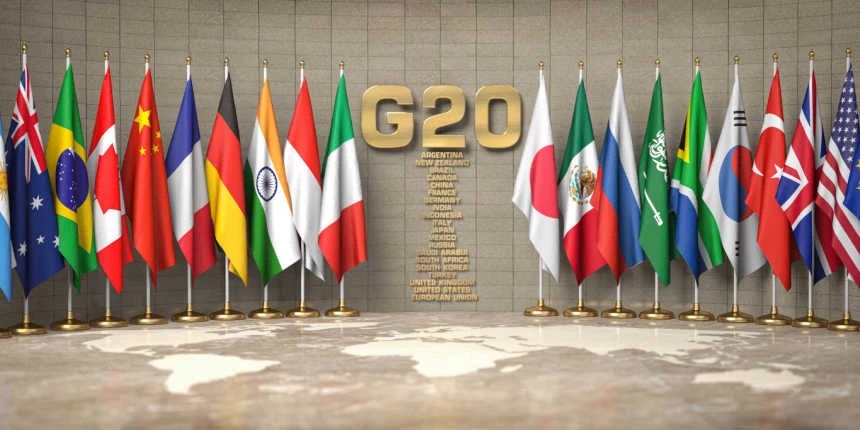
G20 शिखर सम्मेलन
जी20 2023 का आयोजन साल 2023 में हमारे देश भारत में किया गया। जी20 समिट की शुरुआत 22-25 फरवरी को बेंगलुरू में आयोजित होने वाली वित्त मंत्रियों और सेंट्रल बैंक गवर्नरों की बैठक से हुई। G20 शिखर सम्मेलन वैश्विक समुदाय के सामने भविष्य में आने वाली चुनौतियों का समाधान करने के लिए एक महत्वपूर्ण कार्यक्रम है। इस दौरान नेता दुनिया की अर्थव्यवस्था को प्रभावित करने वाले मुद्दों पर चर्चा करने के लिए एक साथ आएंगे, जिसमें चल रही COVID-19 महामारी और एक स्थायी और समावेशी आर्थिक सुधार की आवश्यकता शामिल है।
जी20 भारत के लिए कई कारणों से महत्वपूर्ण है:
प्रतिनिधित्व: भारत G20 में शामिल 20 देशों में से एक है, जो इसे वैश्विक अर्थव्यवस्था से संबंधित नीतिगत मुद्दों पर चर्चा के लिए अंतर्राष्ट्रीय मंच में अपना पक्ष रखने का मौका देता है। जी20 सम्मेलन भारत को प्रमुख आर्थिक मुद्दों पर अपने दृष्टिकोण और राय साझा करने के साथ ही वैश्विक आर्थिक नीतियों की दिशा तय करने वाले मुद्दों पर राय देने का अवसर प्रदान करता है।
आर्थिक विकास: G20 भारत को दुनिया की सबसे बड़ी अर्थव्यवस्थाओं के साथ जुड़ने और अपने आर्थिक हितों को बढ़ावा देने के लिए एक मंच प्रदान करता है। भारत निवेश और व्यापार को आकर्षित करने के लिए जी20 मंच का भरपूर लाभ उठा सकता है, जो इसके आर्थिक विकास और विकास को गति दे सकता है।
वैश्विक मुद्दे: भारत के लिए G20 जलवायु परिवर्तन, गरीबी और असमानता जैसे वैश्विक मुद्दों को संबोधित करने का एक महत्वपूर्ण मंच है। भारत इन मुद्दों का समाधान खोजने और सतत व समावेशी आर्थिक विकास को बढ़ावा देने के लिए अन्य जी20 देशों के साथ सहयोग कर सकता है।
वित्तीय स्थिरता: G20 समूह भारत के लिए भी प्रासंगिक है क्योंकि यह अंतर्राष्ट्रीय वित्तीय स्थिरता को बढ़ाने में अहम भूमिका निभाता है। भारत वित्तीय विनियमन और स्थिरता से जुड़े विषयों पर चर्चा में भाग ले सकता है, जो यह सुनिश्चित करने में मदद कर सकता है कि वैश्विक वित्तीय प्रणाली स्थिर और लचीली बनी रहे और इसके हितों की अनदेखी न होने पाए।
अंत में, जी20 शिखर सम्मेलन बेहद प्रासंगिक है क्योंकि यह दुनिया की सबसे बड़ी अर्थव्यवस्थाओं के नेताओं को महत्वपूर्ण वैश्विक मुद्दों को संबोधित करने और उनका समाधान खोजने की दिशा में काम करने के लिए उन्हें एक साथ एक मंच पर लेकर आता है। इसका महत्व अंतरराष्ट्रीय सहयोग और निर्णय लेने की सुविधा और सामूहिक कार्रवाई को चलाने और सभी के लिए बेहतर भविष्य बनाने की क्षमता में निहित है।
G20 से सम्बंधित प्रश्नोत्तरी के लिए निचे दिए गए लिंक को दबाएँ--
Monday, December 5, 2022
CONSTITUTION DAY

The present-day Constitution of India was drafted by the then Chairman of the drafting committee, Dr B. R Ambedkar, B.N Rau (the Constitutional advisor to the Constituent Assembly), and Surendranath Mukherjee (the Chief Draftsman of the Constituent Assembly). The powers vested in the Constitution that was drafted were that it superseded the Government of India Act of 1935 and the Indian Independence Act of 1947.
The Constituent Assembly duly adopted the Constitution of India on November 26th, 1949. Hence, the Government of India declared November 26th, 2015, as Constitution Day. The laws of India and their implementation are enshrined in the Constitution.
Therefore, November 26 is also called "National Law Day." The Chief Advisor of the Constitution was Sir Benegal Narsing Rau, an ICS who was the first Indian judge of the International Court of Justice (ICJ) and President of the United Nations Security Council. Sir Rau had prepared the initial draft of the Constitution. Dr B. R Ambedkar acknowledged the contributions of Sir Rau in his speech on November 25, 1949.
Constitution Day also known as 'Samvidhan Divas', On August 29, 1947, the Constituent Assembly set up a Drafting Committee under the Chairmanship of Dr. B.R. Ambedkar to prepare a draft. While deliberating upon the draft Constitution, the Assembly moved, discussed, and disposed of as many as 2,473 amendments out of a total of 7,635 tabled.
Constitution Day (IAST: Samvidhāna Divasa), also known as "National Law Day" , is celebrated in India on 26 November every year to commemorate the adoption of the Constitution of India. On 26 November 1949, the Constituent Assembly of India adopted to the Constitution of India, and it came into effect on 26 January 1950
The Government of India declared 26 November as Constitution Day on 19 November 2015 by a gazette notification. The Prime Minister of India Narendra Modi made the declaration on 11 October 2015 while laying the foundation stone of the B. R. Ambedkar's Statue of Equality memorial in Mumbai. The year of 2021 was the 131st birth anniversary of Ambedkar, who had chaired the drafting committee of the Constituent Assembly and played a pivotal role in the drafting of the constitution. Previously this day was celebrated as Law Day
The Constitution of India (IAST: Bhāratīya Saṃvidhāna) is the supreme law of India. The document lays down the framework that demarcates fundamental political code, structure, procedures, powers, and duties of government institutions and sets out fundamental rights, directive principles, and the duties of citizens.
How to celebrate Constitution Day?
- Reading the Constitution.
- Attending a parade.
- Taking the US citizenship test.
- Visiting a colonial reenactment.
- Cooking a recipe from the colonial era.
- Learn about the founding fathers.
Three facts about the Constitution day
- The U.S. Constitution was signed 233 years ago today.
- The original document was four pages long.
- The Constitution includes seven articles.
- James Madison is known as the Father of the Constitution because of his pivotal role in the document's drafting as well as its ratification. Madison also drafted the first 10 amendments
Friday, November 25, 2022
Children's Day

On 5th November 1948, the first Children's Day was observed as "Flower Day" by the predecessor of Indian Council of Child Welfare (ICCW) to collect funds for United Nations Appeal for Children (UNAC) through the sale of "flower tokens". On 30 July 1949, "Children's Day" was widely celebrated and publicised through radio, articles, cinema, etc.World Children’s Day was first established in 1954 Children's Day is celebrated across India to raise awareness about the rights, education, and welfare of children. It is celebrated on 14 November every year on the birthday of the First Prime Minister of India, Pandit Jawaharlal Nehru, who was known to have been fond of children.
This Children’s Day, let the child inside you, come out! Let that kid breathe this 14th. There is so much that you can do for yourself. Do what you used to like in your childhood. For instance, drawing, enjoying swings, running, dancing or eating chocolates.
What comes to your mind when we talk about the children or the childhood?
The innocence, the mischiefs, the games,he fights or you just go and look in the mirror. What do you do? Do you miss being the little kid who could play, jump, sing out loud or dance in the rain??? Most of us do this. Most of us miss being a kid. This Children’s Day, let’s celebrate the long lost childhood. We think that we have grown up and now, there is no scope for the same old craziness.
What is the theme for 2022 Children's day?
World Children's Day was first established in 1954 as Universal Children's Day and is celebrated on 20 November each year to promote international togetherness, awareness among children worldwide, and improving children's welfare.
Nehru and children
Jawaharlal Nehru was affectionately called Chacha Nehru ("Uncle Nehru") by children, and their faith in him was a constant source of happiness for him. As the Prime Minister, Nehru wanted to "create an atmosphere in the country where the attention is constantly focused on children and their welfare".[] He had also established Children's Film Society India in 1955 so that Indian children could see themselves represented.
Nehru's concern for children and their welfare, M. O. Mathai wrote in his book My Days With Nehru (1979), "Nehru saw in their innocent faces and sparkling eyes the future of India. He was convinced that no amount of money spent on children and their mothers was too much, and that it was a sound investment for the future."[15] When asked by Ram Narayan Chaudhary in an interview in 1958, if he was fond of children because the future of the country depended on the children, Nehru had replied, "I have always felt that the children of today will make the India of tomorrow, and, the way we bring them up will determine the future of the country."
Once Pandit Nehru said that "The children of today will make the India of tomorrow. The way they bring them up will determine the future of the country." So, this Children's day let's take a pledge to ensure that every child in this country enjoys equal rights, safety, and quality education.
Subscribe to:
Posts (Atom)